What is the best air conditioner for renters?

The short answer

The best AC for renters we list is the Windmill 8,000 BTU Inverter Smart Window Air Conditioner, a window unit covering up to 350 sq ft, 8,000 BTU, 42 dB(A), in stock at Sylvane for $459.99. It costs about $75 a year to run, a standardized estimate at average US electricity prices.

Prices last refreshed Nov 10, 2026Independent, nobody pays for placement. compare.ac may earn a commission if you buy through a store link, at no cost to you.

A renter needs cooling without drilling, an outdoor unit, or landlord permission. That rules out splits and points to portable and window units you install yourself. These are the real self-install units we list, ranked by buyability.

Our top 6 picks

  1. 1Windmill 8,000 BTU Inverter Smart Window Air Conditioner
    WindowENERGY STAR In stock

    covers up to 350 sq ft · 8,000 BTU

  2. 2LG 5,000 BTU Window Air Conditioner
    Window In stock

    covers up to 150 sq ft · 5,000 BTU

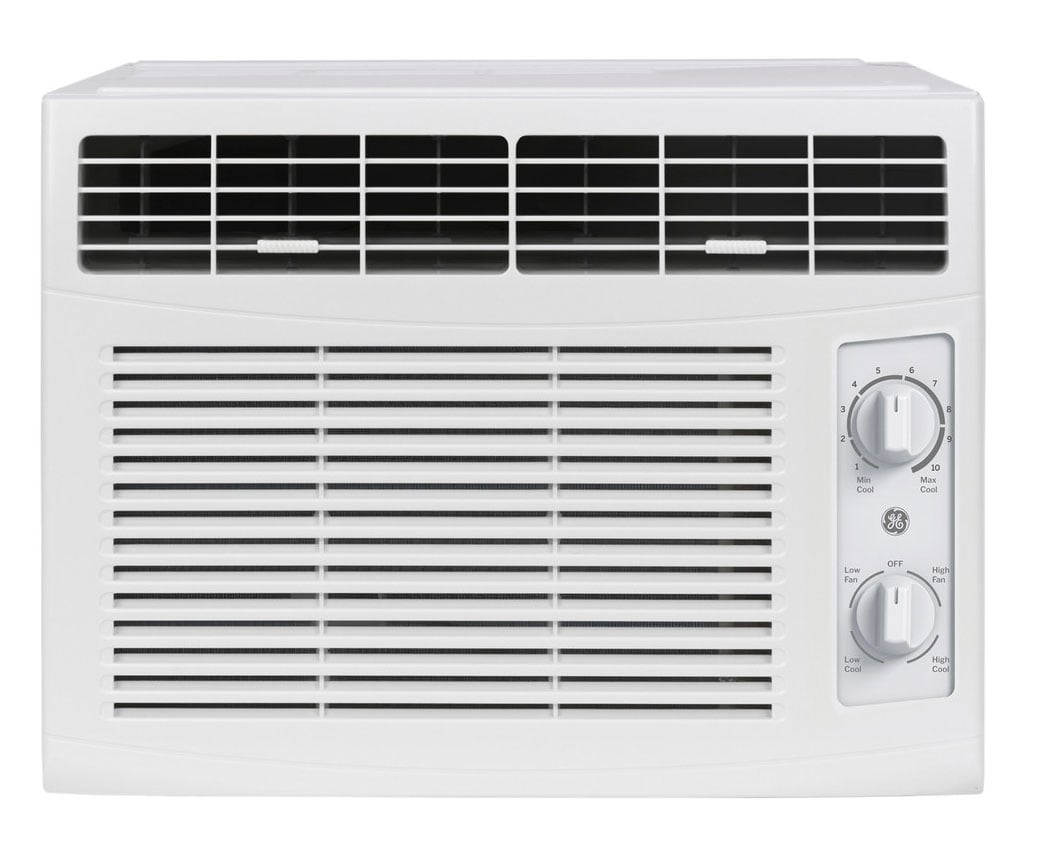
  3. 3GE Mechanical Window Air Conditioner 5,000 BTU in White
    Window In stock

    covers up to 150 sq ft · 5,000 BTU

    $159Lowest since Jul 25, 2026 $159
  4. 4Amana 5,000 BTU Window Air Conditioner w/ Mechanical Controls
    Window In stock

    covers up to 150 sq ft · 5,000 BTU

  5. 5Frigidaire 5,000 BTU Window Air Conditioner
    Window In stock

    covers up to 150 sq ft · 5,000 BTU

    $199Lowest since Jul 25, 2026 $199
  6. 6LG 8,000 BTU  Wi-Fi Enabled Window Air Conditioner  LW8024RSM
    Window In stock

    covers up to 350 sq ft · 8,000 BTU

compare.ac may earn a commission on purchases, at no cost to you. As an Amazon Associate I earn from qualifying purchases.

How we chose

We include only units that need no professional installation (portable and self-install window units), so nothing here requires a landlord's consent or an EPA 608 certified technician. Buyable, fully-specced units rank first. Nobody can pay for placement.

Read our full methodology

Frequently asked

Can renters install air conditioning?
Yes, but the practical answer depends on the type. A portable monobloc needs no installation and no permission, so it is the realistic option for most renters: you only need a window to run the hose. A window unit is usually fine too, though your lease may set conditions and a support bracket is often required. A split or multi-split drills through the wall and adds an outdoor unit, so it requires written landlord permission, an EPA Section 608 certified technician to handle the refrigerant, and often an agreement about whether it stays or is removed when you leave. For short tenancies, a portable or a window unit is usually the sensible choice.
Do I need permission or a permit to install one?
For a portable monobloc or most window units, no: you can use them yourself with no permit. For a split or multi-split, often yes. The outdoor unit and the wall penetration are a structural change, so a homeowners' or condo association usually has to approve it, and many US municipalities require a local mechanical or electrical permit for the outdoor unit and its dedicated circuit. Check with your building and your city or county before you buy hardware you may not be allowed to mount.
Do I need a professional installer?
For a split or multi-split, yes. There is no US law banning DIY installation as such, but under EPA Section 608 only a certified technician may open the refrigerant circuit, and the EPA states plainly that this includes connecting or disconnecting the pre-charged line sets sold with “DIY” mini-split kits. That is worth knowing, because it is the opposite of how those kits are usually marketed. Doing the refrigerant work yourself voids the manufacturer warranty and risks a dangerous, illegal release. A portable monobloc, and most window units, need no installer at all: they are factory-sealed, so you set the unit down or fit it in the window and run the exhaust yourself.
Is this a real air conditioner or just a fan or air cooler?
A real air conditioner has a refrigerant compressor and can lower a closed room below the outdoor temperature, and it is rated in kW or BTU of cooling power. A fan only moves air and removes no heat. An evaporative 'air cooler' blows air over water, adds humidity, needs a window open, and cannot reach a set temperature. compare.ac lists only units with a genuine refrigeration cycle, so everything you see here is a real AC.