What is the cheapest air conditioner to run?

The sticker price is only half the cost: an inefficient unit can cost far more over a summer than a slightly pricier, efficient one. These are the units we list with the lowest standardized annual running cost, so you can weigh what a unit costs to own, not just to buy.

The short answer

The cheapest window or portable air conditioner to run that we list is the LG LW8022IVSM Dual Inverter at about $70 a year, a window unit covering up to 350 sq ft, in stock at Abt Electronics for $419. That is a standardized estimate from ENERGY STAR's published annual energy use at average US electricity prices; your real cost depends on how much you run it. Mini-splits are rated on SEER2 (a seasonal scale) and are not priced in dollars per year here, so they are not ranked.

Prices last refreshed Oct 8, 2026Independent, nobody pays for placement.

Our top 6 picks

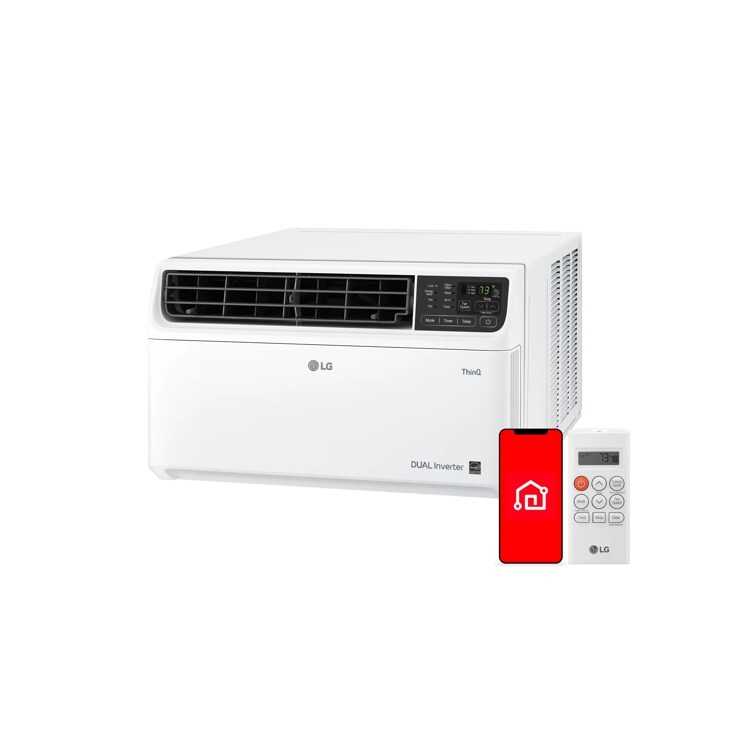
  1. 1LG LW8022IVSM Dual Inverter
    WindowENERGY STAR In stock

    about $70/yr to run · covers up to 350 sq ft · 8,000 BTU

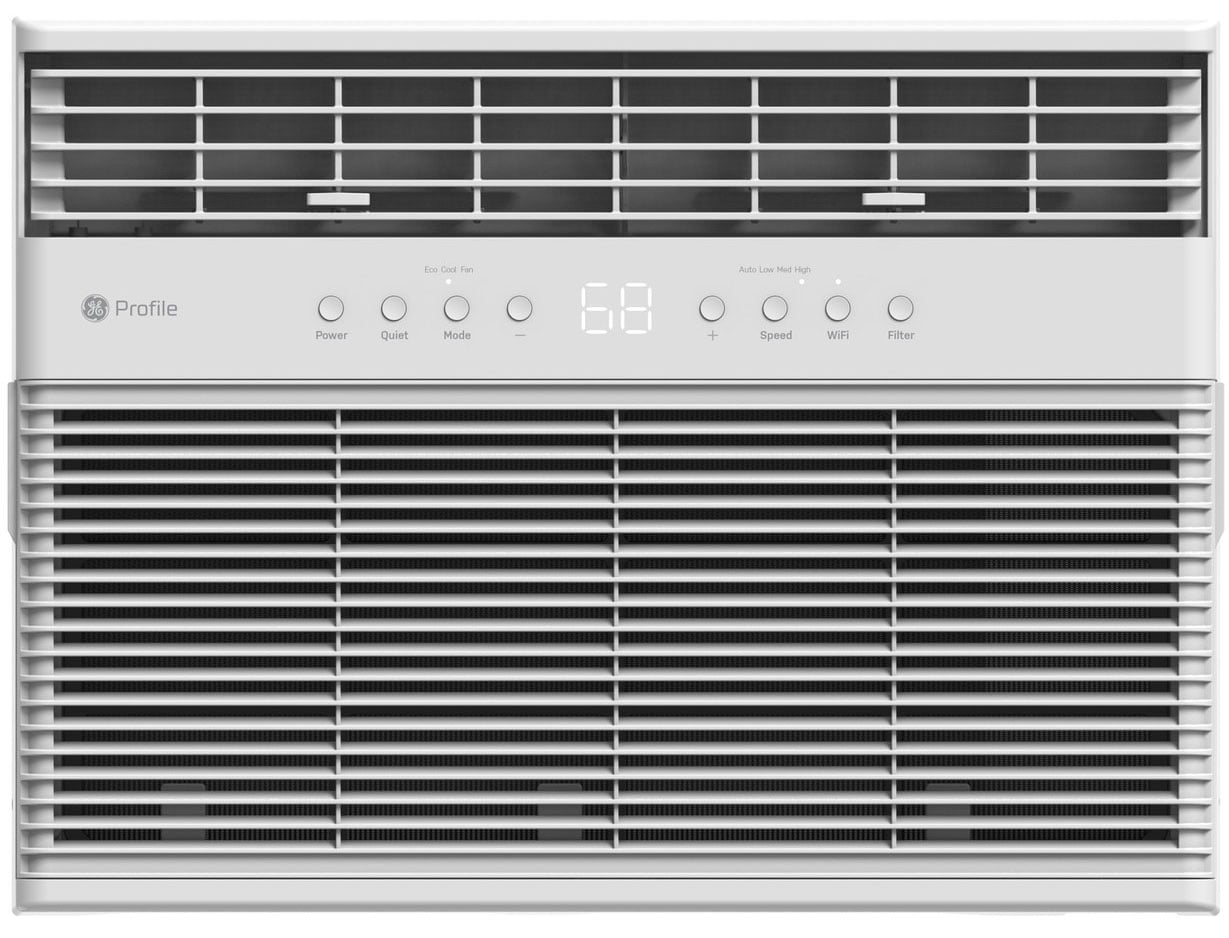
  2. 2GE Profile Inverter Smart Window Air Conditioner 8,000 BTU in White
    WindowENERGY STAR In stock

    about $70/yr to run · covers up to 350 sq ft · 8,000 BTU

  3. 3
    WindowENERGY STAR In stock

    about $75/yr to run · covers up to 350 sq ft · 8,000 BTU

  4. 4Friedrich Chill Premier Inverter CCV08A10A
    WindowENERGY STAR In stock

    about $75/yr to run · covers up to 350 sq ft · 8,000 BTU

    $459Lowest since Jul 25, 2026 $459
    View & buy
  5. 5Windmill The Windmill AC 8K (08W2Wi)
    WindowENERGY STAR In stock

    about $75/yr to run · covers up to 350 sq ft · 8,000 BTU

  6. 6Hisense 8,000 BTU Window Air Conditioner
    WindowENERGY STAR In stock

    about $75/yr to run · covers up to 350 sq ft · 8,000 BTU

How we chose

We rank by an estimated annual running cost in dollars, lowest first, built from each unit's ENERGY STAR published annual energy use at the US average electricity price and about 750 cooling hours a year (the DOE test standard). It is a standardized figure for comparison, not a personal bill. Only window and portable units ENERGY STAR certifies carry this figure, so mini-splits (rated on SEER2) are not ranked here. Nobody can pay for placement.

Read our full methodology

Frequently asked

What will it cost to run, and what do the efficiency ratings mean?
Running cost is driven by efficiency: CEER on window and portable units, and SEER2 on mini-splits. Higher is better on both, but they are separate scales and a SEER2 number cannot be read as a ratio against a CEER number. Directionally, an efficient inverter mini-split is the cheapest type to run, while a single-hose portable can cost roughly two to three times as much for the same comfort, because much of its capacity is lost back through the exhaust hose. For window and portable units that ENERGY STAR certifies, we go a step further and show an estimated dollars-per-year figure, taken from the model's published annual energy use (a DOE test that assumes about 750 hours of cooling a year) priced at the average US residential electricity rate. It is a standardized figure for comparing units, not a personal bill: your real cost depends on how much you run it, your local electricity rate, and your climate. Mini-splits are usually the most efficient of all but are rated on SEER2, so we do not convert those to a dollar figure, and a missing running cost is a data gap, never a sign a unit is worse.
How much cooling power do I need for my room?
A common US rule of thumb for a standard, reasonably insulated room with an 8-foot ceiling is about 20 BTU per hour per square foot, so a 300 sq ft room is often quoted around 6,000 BTU and a 500 sq ft room around 10,000 BTU. compare.ac instead sizes against the official ENERGY STAR room air conditioner chart, which is not a flat rate: it recommends about 7,000 BTU for that same 300 sq ft room and about 12,000 BTU for a 500 sq ft room, then adjusts up for a hot or humid climate and down for a mild one once you pick your region. Add capacity for a sunny west-facing or top-floor room, a kitchen, or extra people who are regularly in it. Undersizing means the unit runs flat out and never cools; oversizing short-cycles and leaves the room cool but clammy.
How much noise is acceptable?
Noise is measured in dB(A). A quiet split indoor unit on a low setting can be around 19 to 25 dB(A), which is barely audible and fine for a bedroom. Around 30 to 35 dB(A) is a soft hum that most people accept in a living room. Portable monobloc units are usually 52 to 58 dB(A) because the compressor sits in the room with you, which is closer to a dishwasher and can disturb sleep. If quiet matters, a split almost always wins; if you only cool occasionally, a portable may be acceptable.